Gingerbread Cookies: A Sweet Treat for Your Design Projects
There's a certain warmth and nostalgia associated with gingerbread cookies—their intricate shapes, the smell of spices, and the joy of decorating. Translating that feeling into a visual medium is a powerful design move, and that's precisely where the Gingerbread Cookies typeface comes in. This isn't just another script font; it's a crafted design asset that brings a distinct, handcrafted personality to your work. For logo design, editorial design, or packaging design, choosing the right premium font is about finding one that tells the right story, and this one tells a story of creativity, warmth, and artistic flair.
The Visual Character and Design Personality
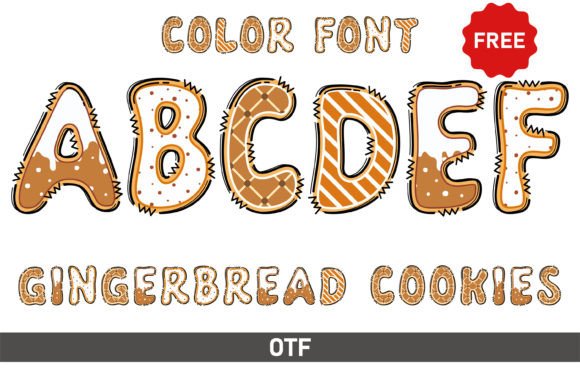
At its core, Gingerbread Cookies is a display font with a strong handwritten and artistic character. Its letterforms are not uniform; they have the slight, charming imperfections of hand-lettering, with varying stroke widths and playful terminals. This gives it a dynamic, energetic quality that feels authentic and human. Unlike a rigid sans serif font, it doesn't aim for clinical precision. Instead, it excels at conveying emotion and immediacy, making it a fantastic creative font for projects that need to connect on a personal level. The overall typeface personality is whimsical, approachable, and undeniably artistic, much like a beautifully decorated cookie.
Strategic Applications Across Your Projects
Understanding where a font like Gingerbread Cookies truly shines is key to using it effectively. Its playful nature makes it a standout choice for specific contexts, but it requires a thoughtful approach to maintain professionalism and readability.
- Branding and Identity: For businesses targeting a family, lifestyle, or artisanal market, this font can be a cornerstone of your brand identity. Think bakeries, craft breweries, boutique event planners, or children's product lines. It works beautifully for logo design, packaging headers, and social media branding where you want to project a friendly, handcrafted image. However, always pair it with a clean, legible sans serif font for body text to ensure clarity and visual hierarchy.
- Digital and Print Marketing: This creative font is perfect for grabbing attention in social media graphics, email newsletter headers, or promotional posters. It can instantly set a tone for a seasonal sale, a workshop announcement, or a blog post title. In web design, use it sparingly for hero text or call-to-action buttons where a burst of personality is needed, but avoid using it for long paragraphs.
- Publishing and Editorial: In editorial design, Gingerbread Cookies can elevate chapter titles, pull quotes, or magazine feature headlines. It's particularly effective for publications focused on food, crafts, DIY, or family life. For book covers, especially in children's or young adult genres, it can create an engaging and whimsical first impression that draws readers in.
- Personal and Commercial Crafting: The font's appeal extends powerfully to the crafting community. It's ideal for designing custom invitations, greeting cards, and party decorations. For small business owners creating physical products, it can add a unique, artisanal touch to labels, tags, and signage. Its compatibility with cutting machines for the black version makes it a practical tool for crafters using platforms like Cricut Design Space.
Making It Work: Practical Guidance for Designers and Creators
Integrating a distinctive handwritten font like Gingerbread Cookies into your workflow requires a bit of strategy. Here’s how to get the most out of it without common pitfalls.
Evaluate the Project Fit: First, ask if the font's personality aligns with your project's goals. Is the audience expecting a playful, artistic feel? If you're designing a legal document or a fintech startup's website, this likely isn't the right choice. But for a children's book cover, a bakery's packaging design, or a creative agency's branding, it's an excellent match.
Master Font Pairing: The golden rule with a strong display font is to pair it with something more neutral. A classic combination is Gingerbread Cookies for headlines paired with a simple serif font like Lora or a versatile sans serif font like Open Sans for body copy. This creates a clear visual hierarchy—the display font draws the eye, while the secondary font ensures the message is easily absorbed. Always test your pairings at various sizes to see how they interact.
Review the Styles and Technicalities: When you acquire this commercial font, look at what's included. Does it have alternate characters, ligatures, or swashes that can add extra flair? Check the technical specifications carefully. As noted, the color version has specific software requirements (like Photoshop or Illustrator) and is not compatible with Cricut. The black version offers more universal compatibility. Understanding these details upfront prevents workflow headaches later.
Prioritize Readability: While beautiful, artistic fonts can sometimes sacrifice readability at smaller sizes. Use Gingerbread Cookies primarily for larger text elements—titles, headers, logos. For any text that needs to be read quickly and effortlessly, opt for a simpler companion font. Always conduct a "squint test" on your design: if the headline becomes a blurry blob, the font may be too intricate for that application.
Understand the Licensing: For any premium font, especially one used in commercial work, clarity on licensing is non-negotiable. Ensure you have the correct license for your intended use—whether it's for a client project, merchandise, or a digital product. Reputable font foundries provide clear licensing terms, and adhering to them is part of professional practice.
In the crowded landscape of modern typography, Gingerbread Cookies stands out by offering a genuine slice of artistic charm. It’s a tool for designers and creators who want to inject warmth, personality, and a touch of whimsy into their work. Used thoughtfully, it can transform a standard project into something memorable and engaging, much like the timeless appeal of its namesake treat.